
Why Ottawa Businesses Benefit from Hiring Commercial Painting Contractors

A paint job is one of the first things customers notice, often before they read a sign, step inside, or speak to staff. Peeling trim, scuffed walls, faded exterior paint, and uneven finishes can make a business look tired, even when the service behind the door is excellent.
For Ottawa businesses, paint also has to do more than look good. It needs to hold up through winter salt, freeze-thaw cycles, summer humidity, foot traffic, deliveries, cleaning, and daily wear. That is where professional commercial painters make a real difference.
Hiring commercial painting contractors in Ottawa is not just about avoiding a weekend paint project. It is about getting a durable finish, keeping work on schedule, protecting staff and customers, and making the space reflect the business properly.
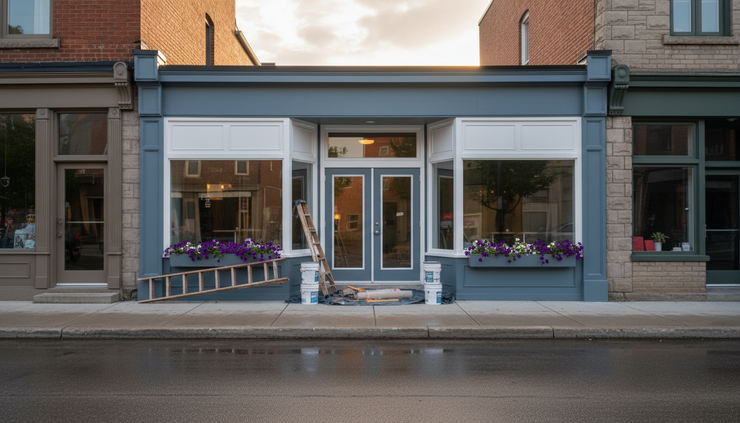
Professional painting shapes how customers see a business
Paint is often treated like a surface detail. In a commercial setting, it is part of the customer experience.
A restaurant with chipped baseboards can feel less clean. A clinic with harsh or stained walls can feel less calm. A retail shop with uneven paint may seem less carefully managed. A warehouse with marked-up safety areas can slow people down or create confusion.
Fresh, well-applied paint sends a different message. It says the business pays attention. It builds trust before anyone says a word.
That matters in Ottawa’s competitive local market. Customers compare cafés, salons, clinics, gyms, shops, and service providers quickly. A sharp, well-maintained space can help a business feel more established and reliable.
Professional painting can also support practical goals, such as:
Making high-traffic areas easier to clean
Refreshing a space without a full renovation
Helping staff feel better in the work environment
Improving visibility in stairwells, corridors, and service areas
Protecting surfaces from moisture, scuffs, and stains
The right contractor understands that commercial painting is not only decoration. It is maintenance, protection, and presentation in one job.
The quality difference shows in the finish and the lifespan
Anyone can apply paint to a wall. Getting a smooth, durable, even finish across a commercial space takes experience.
Commercial painters spend much of their time on preparation. That is where many do-it-yourself or low-cost paint jobs fall short. If surfaces are dirty, glossy, damaged, or poorly patched, the new finish may fail early. It may bubble, peel, flash, or show roller marks.
A professional crew will usually assess the surface first, then choose the right method. That may include:
Washing walls or exterior surfaces
Scraping loose paint
Sanding glossy or uneven areas
Repairing dents, cracks, and holes
Priming stains or bare material
Caulking gaps where needed
Protecting floors, fixtures, windows, and equipment
This preparation is especially important in commercial spaces because the surfaces work harder. Doors get bumped by carts. Hallways collect scuffs. Washrooms need frequent cleaning. Storefronts face weather, dust, exhaust, snow, and salt.
A contractor can also recommend the right coating for each area. A matte finish may look elegant in a low-traffic room, but it may not suit a busy corridor. A high-performance acrylic, epoxy, or washable finish may cost more upfront, but can save money by lasting longer and cleaning better.
Good commercial painting is not just about how the space looks on day one. It is about how it looks after months of real use.

Efficiency matters when the business needs to stay open
Time is one of the biggest reasons to hire professionals. A slow, messy paint project can interrupt sales, appointments, deliveries, and daily routines.
Commercial contractors plan work around business needs. Depending on the project, they may paint after hours, in phases, or during quieter periods. They can bring enough crew members and equipment to finish the job faster than a small internal team.
That matters for businesses such as:
Restaurants that need dining areas ready by opening time
Retail stores that cannot block key aisles for days
Medical and wellness clinics that need clean, calm spaces
Property managers handling tenant turnover
Warehouses that need clear access and safe movement
Schools, community spaces, and fitness centres with fixed schedules
Professional crews also work with systems. They know how to sequence prep, priming, first coats, second coats, drying time, cleanup, and touch-ups. That reduces confusion and helps avoid the common problem of a job dragging on because no one planned the next step.
A business owner or manager may be able to paint a room, but that does not mean it is the best use of their time. Hiring a contractor keeps staff focused on their regular work and reduces the chance of delays caused by missing supplies, poor coverage, or damaged surfaces.
Safety is a serious part of commercial painting
Painting can look simple from a distance, but commercial projects can involve real safety concerns.
Exterior painting may require ladders, lifts, scaffolding, and work near entrances or parking areas. Interior projects may involve tall ceilings, stairwells, ventilation concerns, or busy public areas. Some older buildings may also need careful assessment before sanding or scraping existing coatings.
Professional contractors bring training, equipment, and safety procedures to manage those risks. They know how to protect workers, customers, tenants, and property.
Safety planning may include:
Keeping walkways clear and marked
Using ladders and lifts correctly
Managing cords, tools, and wet surfaces
Choosing low-odour or low-VOC products where appropriate
Ventilating work areas
Storing paint and materials safely
Keeping the site tidy at the end of each shift
For a business, this reduces liability and disruption. It also shows respect for everyone who uses the space.
A safe job site is not only about preventing major incidents. It also prevents small problems that frustrate customers, such as paint odours during service hours, blocked entrances, dust on merchandise, or equipment left where people walk.

Ottawa conditions make paint choices more important
Ottawa’s weather can be tough on painted surfaces. Exterior materials expand and contract through cold winters and warm summers. Snow, ice, rain, wind, salt, and sunlight all affect how long a finish lasts.
That does not mean every exterior needs expensive specialty coatings. It does mean product choice and timing matter.
A knowledgeable contractor can help answer practical questions:
Is the surface ready for paint, or does it need repair first?
Is the temperature suitable for exterior painting?
Which primer is best for wood, metal, masonry, or previously painted surfaces?
How will the coating handle moisture and seasonal change?
Which finish will be easier to wash in a high-traffic area?
For interior spaces, Ottawa businesses also deal with seasonal realities. Winter brings slush, salt, and heavy coats. Entryways and lobbies can get marked up quickly. Choosing more durable finishes in these zones helps the space stay clean longer.
The goal is not to overbuild every surface. The goal is to match the coating to the room, material, and use.
What to look for when choosing a commercial painting contractor
The cheapest quote is rarely the best measure of value. A low price can be useful only if the contractor still delivers proper preparation, safe work, clear communication, and durable results.
A good contractor should make the process easier, not create more work for the business.
What to check | Why it matters | What to ask |
Commercial experience | Commercial sites have different timelines, safety needs, and surface demands than homes | Have you completed projects like this before? |
Portfolio | Past work shows finish quality, scale, and attention to detail | Can I see photos of similar projects? |
Customer reviews | Reviews reveal reliability, cleanup habits, and communication style | Are recent customers happy with the work? |
Insurance and safety practices | A proper setup protects the business, workers, and visitors | What coverage and safety procedures do you carry? |
Written scope | A clear quote reduces disputes and surprise costs | What prep, products, coats, and cleanup are included? |
Scheduling flexibility | Business operations may need phased or after-hours work | Can the work be planned around operating hours? |
Experience should match the project
A painter who does excellent residential bedrooms may not be the right fit for a large commercial exterior, an active retail space, or a multi-unit property. The needs are different.
Ask about similar work. A contractor who has handled restaurants, clinics, shops, industrial spaces, or property management projects will understand scheduling pressure, site protection, and durability needs.
A portfolio should show more than perfect angles
Photos help, but look closely. Do the lines look clean? Are high-traffic areas finished well? Do exteriors look properly prepared? Are there different types of spaces, or only small rooms?
A strong portfolio shows range and consistency.
Reviews can reveal the working experience
Customer reviews often mention the details that matter during the project, such as punctuality, communication, cleanup, and respect for the space. Look for patterns rather than one perfect review.
If several customers mention that the crew was tidy and finished on schedule, that is a good sign. If reviews repeatedly mention delays, poor communication, or messy work, pay attention.
The quote should be clear and specific
A vague quote can lead to confusion. A clear proposal should describe the work in plain language. It should list the main surfaces, preparation steps, paint types where relevant, number of coats, schedule expectations, and cleanup.
This protects both sides. The contractor knows what they are pricing, and the business knows what it is buying.
Colour choices affect the business image
Colour does more than fill a wall. It changes how a space feels.
A calm neutral can make a clinic feel clean and steady. A warm tone can make a café or waiting area feel more welcoming. A crisp white can make a small shop feel brighter, but too much stark white may feel cold. Dark colours can add depth, but they can also make scuffs more visible in busy areas.
Colour choices should fit the business, the lighting, and the way people use the space.
For example:
Reception and entry areas can benefit from clean, welcoming colours that make a strong first impression.
Retail spaces often need wall colours that support the products rather than compete with them.
Restaurants and cafés may use warmer tones to create comfort and encourage people to settle in.
Clinics and wellness spaces often work best with soft, calming colours that feel clean without feeling sterile.
Warehouses and service areas may need practical colours with clear visual contrast for doors, posts, lines, and safety zones.
Lighting also changes colour. A paint chip may look different under fluorescent lighting, warm bulbs, natural daylight, or shaded storefront glass. Testing samples on the actual wall is a simple step that prevents regret.
A commercial painter can help guide these choices, especially when balancing appearance with maintenance. Some colours hide scuffs better. Some finishes clean more easily. Some surfaces need contrast for visibility and safety.

Maintaining a professional appearance after the paint dries
A good paint job should last, but no commercial space stays untouched. Customers come and go. Staff move equipment. Deliveries bump corners. Weather follows people through entrances.
The best approach is to treat painting as part of regular property maintenance.
Simple habits can keep the space looking sharp:
Keep leftover labelled paint for touch-ups
Record the paint colour, finish, and product used
Clean scuffs before they become permanent marks
Add protective corner guards in areas with carts or deliveries
Use mats near entrances to reduce salt and grit
Inspect exterior surfaces after winter
Schedule touch-ups before damage spreads
Repaint high-traffic areas before the whole space looks worn
This approach saves money over time. Small touch-ups are easier than waiting until walls are badly marked, trim is chipped, and exterior surfaces are failing.
It also helps maintain pride in the space. Customers may not notice every fresh touch-up, but they often notice when maintenance is ignored.
Professional painting can reduce long-term costs
Hiring a commercial painter can feel like a bigger upfront expense than doing the work in-house. The better question is what the job costs over its full life.
Poor prep can lead to early peeling. Cheap paint may need more coats and faster repainting. Slow work can disrupt business. Messy work can damage floors, fixtures, stock, or equipment. A rushed exterior job can fail sooner because the surface was not ready.
Professional work reduces those risks.
A reliable contractor helps choose the right products, prepares surfaces properly, works efficiently, and leaves the site clean. That can mean fewer repainting cycles, less downtime, and fewer repairs.
For many businesses, the value comes from three things working together:
Better appearance
A cleaner, more polished space for customers and staff
Less disruption
A planned schedule that fits business operations
Longer-lasting results
Proper prep and coatings that stand up to daily use
A polished space supports the work happening inside it
Commercial painting is one of the most practical upgrades a business can make. It refreshes the space, protects surfaces, improves customer perception, and helps staff work in an environment that feels cared for.
For Ottawa businesses, the benefits are even clearer. Local weather, seasonal wear, and daily customer traffic can be hard on painted surfaces. A professional contractor brings the planning, tools, product knowledge, and safety practices needed to do the job properly.
The right painter will not just change the colour of the walls. They will help protect the business image, reduce disruption, and create a finish that holds up.
A well-painted business looks ready for customers. More than that, it shows that the details matter.


Comments